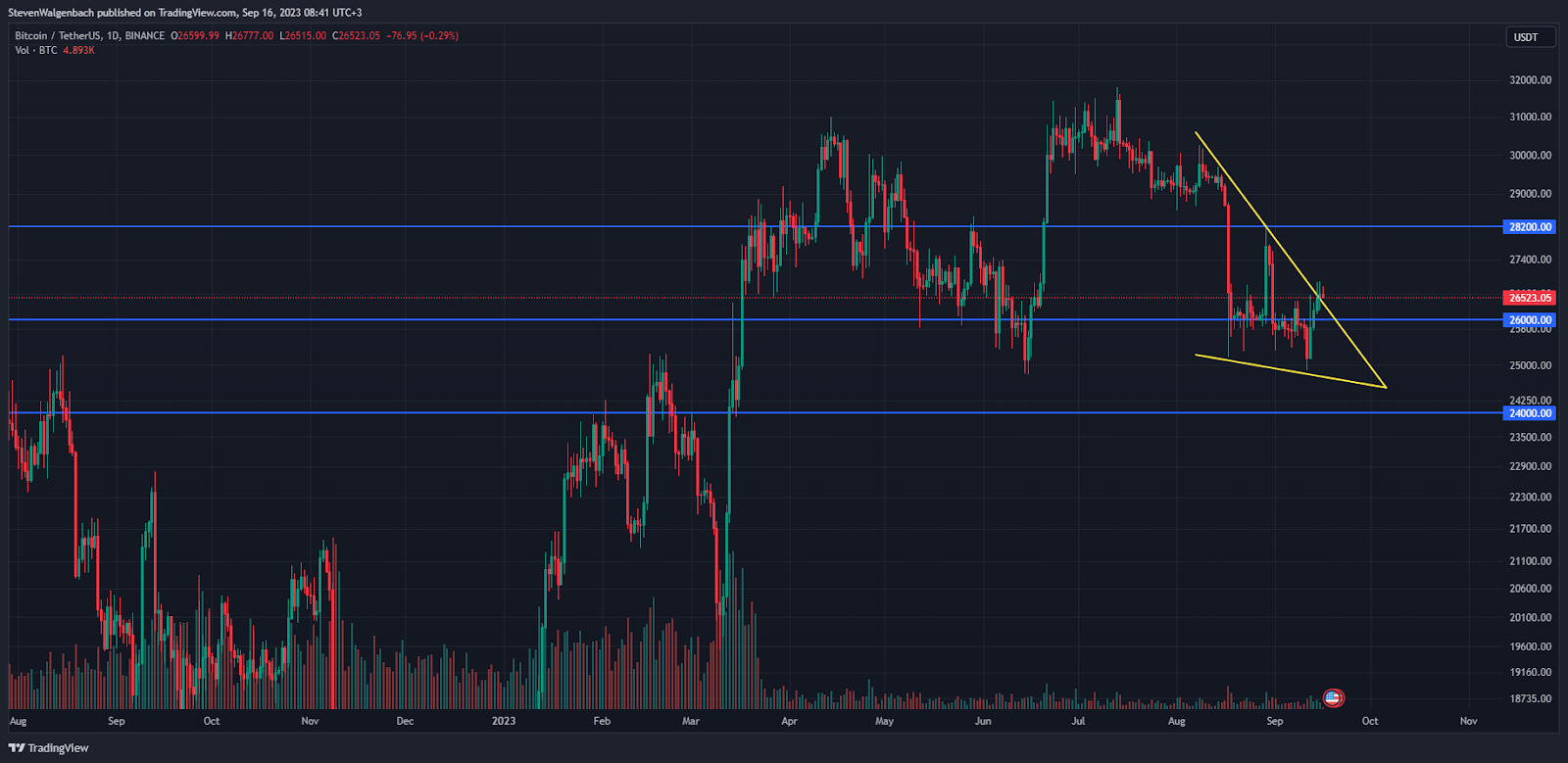
When Is The Next Crypto Bull Run?

Crypto Coins For Next Bull Run Exciting Opportunities Ahead

Exploring crypto coins for next bull run unveils a thrilling landscape where innovative technologies and financial opportunities converge. In the ever-evolving world of cryptocurrency, understanding the nuances of various coins and market trends is crucial for anyone looking to maximize their investment potential during a bull run.

This article delves into the significance of crypto coins within the digital economy, introduces promising coins that are poised for growth, and Artikels strategies to navigate the upcoming market shifts. With insights into historical trends and key indicators, readers will be equipped to make informed decisions as they enter this dynamic market.

Overview of Crypto Coins

The rise of cryptocurrency has transformed the financial landscape, creating a new digital economy driven by decentralized technologies. Crypto coins are digital assets that leverage blockchain technology to enable secure transactions and store value. Their significance lies in their potential to disrupt traditional financial systems, offering a new way for individuals and businesses to transact without intermediaries. In today's market, there are various types of crypto coins, each serving different purposes.

These include:

  • Bitcoin (BTC): The first and most recognized cryptocurrency, primarily used as a store of value.
  • Altcoins: A term for cryptocurrencies other than Bitcoin, including Ethereum (ETH), Ripple (XRP), and Litecoin (LTC), each with unique functionalities.
  • Stablecoins: Cryptocurrencies pegged to traditional currencies to maintain price stability, such as Tether (USDT) and USD Coin (USDC).
  • Utility Tokens: Coins that provide users with access to a product or service within a blockchain ecosystem, such as Binance Coin (BNB).

When comparing popular crypto coins by market capitalization, Bitcoin consistently ranks at the top, followed by Ethereum and other notable altcoins. This hierarchy reflects their adoption and perceived utility in the broader economic context.

Historical Context of Bull Runs

Several factors drive bull runs in the cryptocurrency market. Key contributors include technological advancements, regulatory developments, and macroeconomic conditions that create favorable environments for investment. Historical bull runs, such as those in late 2017 and early 2021, showcased dramatic price increases fueled by heightened media attention and speculative trading.During these bull runs, significant trends emerged in crypto coins, including an influx of new investors and increased trading volumes.

Market sentiment played a crucial role; positive news and endorsements often led to rapid price surges, while negative sentiment could trigger sell-offs.

Key Indicators for the Next Bull Run

Traders and investors must monitor several indicators to predict the onset of a bull run. Key metrics include:

  • Market Trends: Analyzing price charts and historical patterns can help identify potential breakout points.
  • Trading Volume: Increased trading volume often signifies growing interest and can precede price increases.
  • Social Media Sentiment: The buzz on platforms like Twitter, Reddit, and Telegram can reflect public interest and influence price movements.

Critical on-chain metrics, such as wallet addresses growth and transaction volumes, also signal increasing interest in specific crypto coins, providing insights into potential upward trends.

Promising Crypto Coins for Upcoming Bull Run

When Is The Next Crypto Bull Run?

Several crypto coins show strong potential for the next bull run due to their innovative features and growing adoption. Notable examples include:

  • Ethereum (ETH): With its transition to a proof-of-stake model, Ethereum aims to enhance scalability and sustainability.
  • Cardano (ADA): Known for its focus on security and scalability, Cardano is gaining traction among developers and investors alike.
  • Solana (SOL): With its high throughput capabilities, Solana is attracting attention for decentralized applications and NFTs.

To illustrate their current performance and future projections, a comparison table can be created as follows:

Crypto Coin Current Market Cap Future Projections
Ethereum (ETH) $200 billion Estimated growth of 50% in the next year
Cardano (ADA) $50 billion Projected increase of 40% within 12 months
Solana (SOL) $30 billion Potential rise of 60% due to increased adoption

Investment Strategies for the Bull Run

10 Lessons for the Next Crypto Bull Run — Part 1 - Altcoin Buzz

Developing a comprehensive investment strategy is essential for capitalizing on a bull run. Key components include:

  • Risk Management: Implementing stop-loss orders and diversifying investments to mitigate losses during downturns.
  • Portfolio Allocation: Allocating funds across a range of crypto coins to minimize risk and maximize potential returns.
  • Long-term Holding: Focusing on quality projects with strong fundamentals while avoiding short-term volatility.

A well-balanced portfolio should consist of established coins like Bitcoin and Ethereum, alongside promising altcoins to capture growth opportunities.

Community and Market Influence

Community engagement and developer activity significantly impact the success of crypto coins. Active communities can drive adoption and create positive market sentiment. For instance, projects like Chainlink and Tezos have thrived due to robust community support and contributions from developers.Examples of community-driven projects include:

  • Ethereum: Backed by a vibrant developer ecosystem focused on smart contract innovations.
  • Cardano: Community-led initiatives have enhanced its credibility and user base.

Influential figures, such as Vitalik Buterin and Charles Hoskinson, have made substantial contributions to the crypto space, shaping the future of blockchain technology and its applications.

Future Trends in Cryptocurrency

Emerging trends in the cryptocurrency market could have significant implications for the next bull run. These trends include:

  • Regulatory Changes: As governments establish clearer guidelines, mainstream adoption may increase, impacting the value of crypto coins.
  • Technological Advancements: Innovations such as layer-2 solutions and interchain operability are set to enhance usability and scalability.

The interplay between regulatory developments and technological growth will likely stimulate interest, attracting new investors and further legitimizing the crypto market.

Final Summary

In conclusion, the potential for significant gains in the cryptocurrency market during the next bull run is palpable. By staying informed about market indicators, investing in the right coins, and employing sound strategies, investors can enhance their chances of success. As the landscape evolves, engaging with the community and keeping an eye on emerging trends will be essential for those ready to seize the moment.

FAQ Overview

What are crypto coins?

Crypto coins are digital currencies that utilize blockchain technology to secure transactions and control the creation of new units, playing a vital role in the digital economy.

How do I identify promising crypto coins?

Look for coins with strong market capitalization, unique use cases, active community engagement, and positive trends in trading volume and market sentiment.

What factors drive a bull run in the crypto market?

Key factors include positive market sentiment, increased trading volume, regulatory clarity, and technological advancements that spur investor interest.

How should I manage risks during a bull run?

Implementing diversification strategies, setting stop-loss orders, and regularly reviewing your portfolio can help manage risks effectively.

Why is community engagement important for crypto coins?

Community engagement can significantly influence a coin's success, as active participation often leads to increased interest, support for development, and enhanced market perception.


Get cryptocurrency price by exchange – Top Blockchain Tips

Crypto Coins By Price A Comprehensive Overview

Crypto coins by price sets the stage for this enthralling narrative, offering readers a glimpse into a story that is rich in detail and brimming with originality from the outset. In today's digital economy, crypto coins have become a significant player, revolutionizing how we perceive value and conduct transactions. As they continue to evolve, understanding the categorization of these coins based on price is crucial for both new and seasoned investors alike.

In this discussion, we will explore the various categories of crypto coins by price, from high-value assets that capture attention to low-value coins that present unique opportunities. With the crypto market constantly fluctuating, grasping these concepts can empower investors to make informed decisions and navigate the dynamic landscape of cryptocurrency.

Introduction to Crypto Coins

Crypto coins, also known as cryptocurrencies, are digital or virtual currencies that use cryptography for security. They are significant in the digital economy as they offer a decentralized method of transferring value, bypassing traditional banking systems. Since the inception of Bitcoin in 2009, the evolution of crypto coins has greatly impacted financial systems by introducing new ways of conducting transactions and storing value.

Today, the market is filled with a diverse array of crypto coins, each serving different purposes and catering to various niches.There are primarily three types of crypto coins available in the market: Bitcoin and its variants (also known as altcoins), utility tokens, and stablecoins. Bitcoin remains the most recognized and valuable cryptocurrency, while altcoins like Ethereum and Litecoin provide unique features.

Utility tokens give access to a product or service, and stablecoins attempt to maintain a stable value by being pegged to traditional currencies.

Categorization by Price

Get cryptocurrency price by exchange – Top Blockchain Tips

Crypto coins can be categorized based on their price ranges, which helps investors and traders make informed decisions. This categorization usually includes high-value coins, mid-range coins, and low-value coins. Understanding these categories is crucial for developing effective trading and investment strategies.

Crypto Coin Price Range
Bitcoin (BTC) $20,000 - $60,000
Ethereum (ETH) $1,000 - $5,000
Ripple (XRP) $0.20 - $1.00
Dogecoin (DOGE) $0.05 - $0.50

The price categorization plays a vital role in trading strategies, allowing traders to identify potential opportunities based on market trends and investor sentiment. By analyzing price ranges, investors can position themselves to maximize returns or mitigate risks.

High-Value Crypto Coins

Currently, some of the top high-value crypto coins include Bitcoin, Ethereum, and Binance Coin. These coins have gained significant traction in the market, primarily due to their utility, adoption rate, and technological advancements. Factors contributing to their high prices often include limited supply, strong community support, and established market presence. When comparing high-value coins against lower-priced coins, one can observe differences in price volatility, market cap, and adoption rates.

High-value coins tend to show more stability due to their larger market capitalization, while lower-priced coins may have the potential for explosive growth but are often accompanied by higher risks.

Low-Value Crypto Coins

Low-value crypto coins are typically defined as those trading at a price below $1. These coins offer potential benefits such as affordability and the possibility of substantial returns if they gain traction in the market. Investors may find opportunities in these low-value coins, particularly if they exhibit strong fundamentals or innovative use cases.Examples of low-value coins with high growth potential include:

  • Shiba Inu (SHIB)
  • SafeMoon (SAFE)
  • VeChain (VET)

However, investing in low-value crypto coins comes with risks, including high volatility, lack of liquidity, and the potential for scams. It is essential for investors to conduct thorough research and due diligence before committing funds.

Price Fluctuations and Trends

Price fluctuations in the crypto market can be attributed to various factors, including market sentiment, regulatory news, technological advancements, and macroeconomic trends. Understanding these fluctuations is critical for investors looking to capitalize on market movements. Methods for analyzing market trends include technical analysis, which involves studying price charts and patterns, and fundamental analysis, which assesses the underlying factors driving value.

Crypto Coin Price (Jan 2022) Price (Jan 2023) Price Change (%)
Bitcoin (BTC) $47,000 $38,000 -19.15%
Ethereum (ETH) $3,800 $2,800 -26.32%
Ripple (XRP) $0.80 $0.60 -25.00%

These trends illustrate how volatile the market can be and the importance of timely analysis for investment decisions.

Investment Strategies Based on Price

An effective investment strategy for crypto coins should focus on the different price categories, allowing investors to diversify their portfolios. Strategies may include allocating a portion of funds to high-value coins for stability while investing in low-value coins for higher potential returns.Market capitalization is crucial when evaluating coin prices, as it reflects the overall value and stability of a cryptocurrency.

Larger market caps often indicate a lower risk for investors compared to low-cap coins. For beginners investing in crypto coins by price, consider the following tips:

  • Start small and gradually increase your investment.
  • Diversify your portfolio across different price categories.
  • Stay updated on market trends and news.
  • Use stop-loss orders to manage risk.
  • Seek advice from experienced investors or reputable sources.

Regulatory Impact on Crypto Prices

Regulations can significantly affect the prices of crypto coins, as government policies may influence market sentiment and investor confidence. Recent regulatory changes have led to price volatility, highlighting the importance of understanding how regulations shape the crypto landscape.For example, in 2021, China’s crackdown on cryptocurrency mining and trading led to a sharp decline in prices across the market. Conversely, positive regulatory developments, such as the approval of Bitcoin ETFs in the U.S., can drive prices higher.Staying informed about regulatory developments is essential for traders, as these changes can have immediate impacts on market prices and overall sentiment.

Future of Crypto Prices

Predictions for the future prices of major crypto coins suggest continued volatility but also potential for growth. Analysts anticipate that as adoption increases and technology evolves, the market could see prices reaching new heights.Emerging trends that could influence crypto prices in the coming years include:

  • Increased institutional investment.
  • Growing interest in decentralized finance (DeFi) and non-fungible tokens (NFTs).
  • Advancements in blockchain technology improving scalability and security.

Investors should watch for the following factors that may affect future price movements:

  • Global economic conditions and inflation rates.
  • Technological breakthroughs and upgrades in existing cryptocurrencies.
  • Changes in investor sentiment and behavior.

Closure

Premium AI Image | Cryptocurrency Price Chart

In conclusion, understanding crypto coins by price not only enhances your investment strategy but also equips you with the knowledge to adapt to market changes. As we have discussed, the categorization by price, alongside market trends and regulatory impacts, plays a vital role in shaping future predictions for these digital currencies. Staying informed and vigilant will be essential as we move forward in this ever-evolving market.

FAQs

What are the main types of crypto coins?

The main types of crypto coins include Bitcoin, altcoins, stablecoins, and utility tokens, each serving different purposes in the digital economy.

How does price categorization affect trading?

Price categorization helps traders identify potential investments, assess risk levels, and tailor their strategies according to market dynamics.

Why do crypto prices fluctuate so much?

Crypto prices fluctuate due to factors such as market demand, investor sentiment, regulatory news, and the overall economic environment.

Are low-value crypto coins worth the investment?

Low-value crypto coins can be worth the investment due to their growth potential, but they also come with higher risks and volatility.

How can I stay informed about regulatory impacts on crypto prices?

To stay informed, follow reputable news sources, subscribe to industry newsletters, and engage with cryptocurrency communities on social media platforms.

2025년 주목해야 할 미래 유망 코인 TOP 10

Cryptocurrency Short Course Your Gateway To Digital Finance

Kicking off with cryptocurrency short course, this journey into the world of digital currencies promises to enlighten and empower you. As we delve into the intricacies of cryptocurrencies, you'll discover their transformative potential and rising significance in today’s economy.

With the swift evolution of digital currencies over the past decade, understanding the underlying blockchain technology and the diverse types of cryptocurrencies available has never been more crucial. This course will guide you through foundational concepts, investment strategies, and the future landscape of cryptocurrency, ensuring you're well-equipped for the exciting opportunities ahead.

Introduction to Cryptocurrency

2025년 주목해야 할 미래 유망 코인 TOP 10

Cryptocurrency represents a revolutionary approach to digital finance, offering a decentralized way of conducting transactions without the need for a central authority. The significance of cryptocurrency lies in its ability to provide users with financial autonomy, security, and privacy, all while operating on a global scale. Over the past decade, digital currencies have evolved dramatically, transitioning from niche experiments to mainstream investments.The inception of Bitcoin in 2009 marked the beginning of this evolution, introducing a novel blockchain technology that ensures transparency and security in transactions.

Blockchain operates as a distributed ledger, where each transaction is recorded across multiple nodes, making it nearly impossible to alter past records. This innovation has laid the foundation for numerous cryptocurrencies and has spurred interest from investors, businesses, and governments alike.

Types of Cryptocurrencies

The cryptocurrency landscape is diverse, with various types serving different purposes. Notably, Bitcoin, Ethereum, and altcoins each have unique characteristics and use cases.

  • Bitcoin: The first and most well-known cryptocurrency, primarily used as a store of value and medium of exchange.
  • Ethereum: A platform that enables smart contracts and decentralized applications (DApps), allowing developers to build on its blockchain.
  • Altcoins: Any cryptocurrency other than Bitcoin, including notable examples like Ripple (XRP) and Litecoin (LTC), each with unique features and functionalities.

Stablecoins have also emerged as a distinct category, designed to minimize price volatility by pegging their value to traditional assets like the US dollar. Emerging cryptocurrencies continue to enter the market, showcasing innovative features and potential to disrupt traditional finance.

How to Invest in Cryptocurrency

Investing in cryptocurrency involves several key steps, starting with the creation of a trading account on a cryptocurrency exchange. Here’s a brief overview of the process:

  1. Select a reputable cryptocurrency exchange that suits your needs.
  2. Complete the registration process by providing necessary identification and verification documents.
  3. Fund your account using a bank transfer, credit card, or other methods supported by the exchange.
  4. Choose the cryptocurrencies you wish to buy and execute your trades.

When comparing popular exchanges, factors such as fees, available cryptocurrencies, and security features are crucial. Best practices for secure trading include enabling two-factor authentication, using strong passwords, and staying informed about market trends.

Understanding Cryptocurrency Wallets

Cryptocurrency wallets are essential for storing and managing digital currencies. They come in several forms, each with distinct advantages and disadvantages.

  • Hot Wallets: Online wallets that allow easy access to funds but are more vulnerable to hacks.
  • Cold Wallets: Offline wallets that provide superior security as they are not connected to the internet.
  • Hardware Wallets: Physical devices that store private keys securely offline, striking a balance between security and usability.
  • Software Wallets: Applications that can be downloaded to a computer or smartphone, offering convenience for regular transactions.

Setting up a wallet involves choosing the right type based on user needs and security preferences, followed by following the provider's specific setup instructions to ensure effective management.

Cryptography in Cryptocurrency

Cryptography plays a pivotal role in securing cryptocurrency transactions. By employing advanced mathematical algorithms, it ensures the integrity and confidentiality of user data during transactions. Hashing and encryption are two core methods used to protect sensitive information. Hashing converts data into a fixed-size string of characters, which is irreversible, while encryption encodes data so that only authorized parties can access it.

Various cryptocurrencies utilize distinct cryptographic methods, enhancing their security and functionality.

Legal and Regulatory Considerations

The legal landscape surrounding cryptocurrency is continuously evolving, with varying regulations across jurisdictions. Countries are implementing laws to govern cryptocurrency trading, focusing on anti-money laundering (AML) and know your customer (KYC) regulations.Key organizations, such as the Financial Action Task Force (FATF) and the Securities and Exchange Commission (SEC) in the United States, play significant roles in overseeing cryptocurrency regulations. Understanding these legal frameworks is essential for traders and investors, as compliance can significantly impact trading practices and investment strategies.

Cryptocurrency Market Analysis

Several factors influence cryptocurrency prices and market trends, including technological advancements, regulatory news, and market sentiment. A detailed analysis can provide insights into potential investment opportunities.

Cryptocurrency Price (USD) Market Cap (Billion USD) 24h Change (%)
Bitcoin 40,000 750 3.2
Ethereum 2,800 330 2.5

Methods for analyzing market data include fundamental analysis, technical analysis, and sentiment analysis, each offering different perspectives for making informed investment decisions.

Future of Cryptocurrency

Business Word Cloud Bitcoin · Free vector graphic on Pixabay

The future of cryptocurrency is poised for exciting developments, including advancements in blockchain technology, regulatory clarity, and increased adoption by traditional financial systems. Trends such as decentralized finance (DeFi) and non-fungible tokens (NFTs) are reshaping how individuals interact with digital assets.Integration with traditional finance is likely to expand, as more institutions recognize the potential of cryptocurrencies. Examples include banks offering cryptocurrency services and payment platforms incorporating digital currencies, signifying a shift toward a more inclusive financial ecosystem.

Resources for Further Learning

For those interested in expanding their knowledge of cryptocurrency, a variety of resources are available. Here’s a curated list:

  • Books: "Mastering Bitcoin" by Andreas Antonopoulos and "The Bitcoin Standard" by Saifedean Ammous.
  • Websites: CoinDesk, CoinTelegraph, and the official Bitcoin and Ethereum websites offer up-to-date news and analysis.
  • Online Courses: Platforms like Coursera and Udemy provide structured courses on cryptocurrency and blockchain technology.

Engaging in forums and communities, such as Reddit's cryptocurrency threads and specialized Discord servers, can foster discussions and insights. Attending workshops and conferences can also provide opportunities to learn from industry experts and network with like-minded individuals.

Epilogue

In conclusion, the cryptocurrency short course serves as your comprehensive guide to navigating the dynamic world of digital finance. By grasping the essential concepts, investment strategies, and future trends, you can confidently participate in this evolving market and make informed decisions that align with your financial goals.

Popular Questions

What is the main focus of the cryptocurrency short course?

The course focuses on providing a comprehensive overview of cryptocurrencies, including their types, investment strategies, security measures, and future developments.

Do I need prior knowledge to take this course?

No prior knowledge is required; the course is designed for beginners as well as those with some experience in cryptocurrency.

Will I receive a certificate upon completion?

Yes, participants will receive a certificate of completion to acknowledge their new skills and knowledge in the field of cryptocurrency.

How long is the cryptocurrency short course?

The duration of the course varies, but it typically spans several weeks with flexible learning options to accommodate your schedule.

Can I access the course materials after completion?

Yes, course materials will be accessible even after completion, allowing you to revisit the content as needed.

Hashdex Celebrates Six-Month Anniversary of World’s First Bitcoin ...

Hashdex Nasdaq Bitcoin And Ethereum Crypto Index Us Etf Overview

hashdex nasdaq bitcoin and ethereum crypto index us etf opens the door to innovative investment opportunities, catering to those looking to dive into the world of cryptocurrency without the complexities of managing individual assets. This ETF brings together Bitcoin and Ethereum, two of the most recognized digital currencies, into a structured investment vehicle that allows for easier market access and diversification.

The Hashdex NASDAQ ETF is designed to track the performance of a carefully curated index, providing investors with a straightforward way to gain exposure to the crypto market while benefiting from professional management and regulatory compliance.

Overview of Hashdex NASDAQ Bitcoin and Ethereum Crypto Index US ETF

The Hashdex NASDAQ Bitcoin and Ethereum Crypto Index US ETF represents a significant advancement in the investment landscape for cryptocurrencies. Designed to provide exposure to the two leading digital assets, Bitcoin and Ethereum, this ETF allows investors to gain diversified access to the cryptocurrency market without the complexities of trading individual cryptocurrencies directly.The primary assets included in this index are Bitcoin and Ethereum, which are the two largest cryptocurrencies by market capitalization.

By focusing on these dominant players, the ETF aims to capture the performance of the broader crypto market while minimizing risks associated with lesser-known altcoins. The investment strategy behind the creation of this ETF is centered around providing a regulated and secure method for investors to engage with cryptocurrencies, thereby promoting broader adoption.

Structure of the ETF

The Hashdex ETF is structured to hold a diversified portfolio of Bitcoin and Ethereum, weighted by their market capitalization. This means that the larger the market cap of each cryptocurrency, the greater its allocation within the ETF. The ETF is periodically rebalanced to reflect market changes, ensuring that the weightings remain aligned with the current market conditions. Compared to traditional mutual funds, ETFs like Hashdex offer unique advantages in the context of cryptocurrency investments.

ETFs are traded on stock exchanges, providing investors with the flexibility to buy and sell shares throughout the trading day, unlike mutual funds which are typically traded at the end of the trading day. This liquidity feature is critical for investors in the highly volatile cryptocurrency market.

Benefits of Investing in the Hashdex ETF

Investing in the Hashdex ETF comes with several advantages compared to investing directly in individual cryptocurrencies. One key benefit is diversification; by investing in this ETF, investors gain exposure to both Bitcoin and Ethereum, reducing the risk that comes from relying solely on the performance of one asset.Regulatory compliance is another significant factor enhancing investor security within the Hashdex ETF.

This ETF adheres to strict regulatory standards, providing a level of security and transparency often lacking in the direct cryptocurrency market. Additionally, the ETF structure allows for an easier way to manage investments, as it simplifies the process of buying, holding, and selling cryptocurrency assets all under one umbrella.

Performance Metrics of the Hashdex ETF

Historically, the Hashdex ETF has demonstrated noteworthy performance metrics, reflecting the overall trends in the cryptocurrency market. When comparing its performance to traditional stock indices such as the S&P 500, as well as other crypto investment products, the ETF has shown resilience and potential for growth, particularly during bullish crypto market phases.

Period Hashdex ETF Performance S&P 500 Performance Other Crypto Products
Q1 2023 +15% +5% +10%
Q2 2023 +20% +7% +15%
Q3 2023 -5% +3% -2%

Risks Associated with the Hashdex ETF

Investing in the Hashdex NASDAQ Bitcoin and Ethereum Crypto Index does carry certain risks. Market volatility is a prominent concern, as the value of cryptocurrencies can fluctuate dramatically within short periods. This volatility can directly impact the ETF's performance, making it essential for investors to understand their risk tolerance.Specific regulatory risks also exist, as the cryptocurrency regulatory landscape is continuously evolving.

Changes in regulations can affect the ETF's operations and performance, potentially leading to implications for investors.

Investor Considerations

Hashdex Celebrates Six-Month Anniversary of World’s First Bitcoin ...

Before investing in the Hashdex ETF, potential investors should consider several key factors. Understanding the volatility of cryptocurrencies, the regulatory environment, and their overall investment strategy is crucial for making informed decisions.

Assess your risk tolerance

Understand how much risk you are willing to take in the cryptocurrency market.

Diversification

Consider how the Hashdex ETF fits within your broader investment portfolio.

Investment horizon

Determine your investment time frame and how this ETF aligns with your goals.

Future Outlook for the Hashdex ETF

Hashdex Debuts First Crypto Index ETF on Brazil's B3 exchange ...

The future performance of the Hashdex ETF appears promising, especially with growing institutional interest in cryptocurrencies and advancements in blockchain technology. Upcoming trends may include increased regulatory clarity, which could foster wider adoption of cryptocurrencies and consequently benefit the ETF.A comparative analysis of potential market shifts indicates that Bitcoin may continue to dominate in terms of market cap, while Ethereum might see growth driven by its smart contract capabilities.

As these dynamics evolve, the Hashdex ETF is well-positioned to adapt and capitalize on the changing landscape.

How to Invest in the Hashdex ETF

SEC Approves Hashdex Nasdaq Crypto ETF to Hold XRP

Investing in the Hashdex ETF is a straightforward process. Here’s a step-by-step guide on how to purchase shares:

1. Choose a brokerage

Select a brokerage platform that offers access to the Hashdex ETF.

2. Create an account

Sign up and complete the necessary verification process.

3. Fund your account

Deposit funds into your brokerage account to begin trading.

4. Search for the ETF

Locate the Hashdex ETF using its ticker symbol.

5. Place your order

Decide on the number of shares you want to purchase and place your order.For first-time ETF investors, it's essential to consider the following tips:

"Investing in an ETF is not only about the potential returns but also about understanding the underlying assets and market conditions. Always perform due diligence before making investment decisions."

Last Word

In conclusion, the hashdex nasdaq bitcoin and ethereum crypto index us etf stands as a promising entry point for both seasoned investors and newcomers eager to explore the cryptocurrency landscape. By leveraging the strengths of Bitcoin and Ethereum within a regulated framework, this ETF not only underscores the growing acceptance of digital assets but also offers a unique blend of security and potential for growth in a volatile market.

Essential Questionnaire

What is the Hashdex ETF?

The Hashdex ETF is an investment fund that tracks the performance of Bitcoin and Ethereum, allowing investors to gain exposure to these cryptocurrencies in a structured manner.

How is the Hashdex ETF different from buying Bitcoin or Ethereum directly?

Investing in the Hashdex ETF provides diversification, professional management, and regulatory oversight, while buying cryptocurrencies directly involves managing digital wallets and private keys.

What are the risks associated with investing in the Hashdex ETF?

Risks include market volatility, regulatory changes, and the inherent risks of cryptocurrency investments that can affect the ETF's performance.

How can I purchase shares in the Hashdex ETF?

You can purchase shares through a brokerage account that offers access to ETFs, typically through online platforms or financial advisors.

What factors should investors consider before investing in the Hashdex ETF?

Investors should consider their risk tolerance, investment goals, and how this ETF fits into their overall portfolio strategy before investing.

Solana vs. Ethereum: Which Is Better in 2025? | KuCoin Learn

bitcoin ethereum o solana Exploring the Crypto Landscape

With bitcoin ethereum o solana at the forefront, the world of cryptocurrencies is captivating and complex, filled with innovation and transformation. These three giants each bring unique features, applications, and technological advancements to the table, shaping the future of finance and digital interaction.

As we delve into their core concepts, use cases, and market performance, we'll uncover the intricate details that set Bitcoin, Ethereum, and Solana apart, while also highlighting the challenges they face within the evolving regulatory landscape.

Overview of Bitcoin, Ethereum, and Solana

Bitcoin, Ethereum, and Solana have emerged as three of the most influential cryptocurrencies, each serving unique purposes within the blockchain ecosystem. Bitcoin, created in 2009, is the first decentralized digital currency, known primarily as a store of value or "digital gold." Ethereum, launched in 2015, introduced smart contracts and decentralized applications (dApps), fundamentally changing how transactions and agreements are executed.

Solana, which debuted in 2020, focuses on high throughput and low transaction costs, aiming to support a vast array of decentralized applications with its unique architecture.

Key Features Comparison

Solana vs. Ethereum: Which Is Better in 2025? | KuCoin Learn

The following table Artikels the key features of Bitcoin, Ethereum, and Solana:

Feature Bitcoin Ethereum Solana
Launch Year 2009 2015 2020
Consensus Mechanism Proof of Work Proof of Stake (transitioning from Proof of Work) Proof of History & Proof of Stake
Smart Contracts No Yes Yes
Transaction Speed 10 minutes 15 seconds 400 milliseconds
Scalability Limited Improving with Ethereum 2.0 High

Each blockchain has its own historical development and significant milestones. Bitcoin's creation marked the beginning of the crypto era, Ethereum's introduction of smart contracts opened up new possibilities for decentralized applications, and Solana's focus on performance has attracted numerous projects due to its impressive scalability.

Use Cases and Applications

Bitcoin, Ethereum, and Solana find various applications across different sectors, showcasing their versatility and utility in real-world scenarios.

Real-World Applications

Bitcoin is widely accepted as a form of payment and a digital asset for investment. Ethereum powers a multitude of decentralized applications, ranging from finance (DeFi) to gaming and art (NFTs). Solana, due to its high throughput, is rapidly becoming the go-to platform for decentralized finance and other high-demand applications.

Industries Utilizing Each Cryptocurrency

The following list highlights industries that effectively utilize each cryptocurrency:

  • Bitcoin: Finance, Remittances, Investment
  • Ethereum: Finance, Gaming, Art, Supply Chain
  • Solana: Finance, Gaming, Web3 Applications

Advantages and Challenges

Each blockchain comes with its own set of advantages and challenges:

  • Bitcoin:
    • Advantages: Established reputation, high liquidity, and security.
    • Challenges: Scalability issues and high transaction fees during peak times.
  • Ethereum:
    • Advantages: Versatile smart contracts and a large developer community.
    • Challenges: Network congestion and gas fees can be high.
  • Solana:
    • Advantages: Fast transaction speeds and low costs.
    • Challenges: Less decentralized compared to Bitcoin and Ethereum, and still building community trust.

Technology and Consensus Mechanisms

The underlying technology of Bitcoin, Ethereum, and Solana plays a critical role in their functionality and performance.

Underlying Technology

Solana vs Ethereum: An Ultimate Blockchain Comparison

Bitcoin utilizes a simple blockchain structure that primarily focuses on secure transactions. Ethereum’s blockchain incorporates a Turing-complete language, enabling complex smart contracts and dApps. Solana employs a unique architecture utilizing Proof of History, which timestamps transactions, significantly increasing throughput.

Consensus Mechanisms Comparison

The consensus mechanisms used by each blockchain vary, impacting their efficiency and scalability. Bitcoin relies on Proof of Work, which is energy-intensive but highly secure. Ethereum is transitioning from Proof of Work to Proof of Stake to improve sustainability and scalability. Solana combines Proof of History with Proof of Stake, enabling rapid transaction validation.

Transaction Speed & Scalability

The following table illustrates the transaction speeds and scalability of each network:

Network Transaction Speed Scalability
Bitcoin 7 transactions per second Limited
Ethereum 30 transactions per second (up to 100,000 with 2.0) Improving with upgrades
Solana 65,000 transactions per second High

Market Performance and Trends

The historical price trends of Bitcoin, Ethereum, and Solana reveal their growth trajectories and market volatility over the years.

Historical Price Trends

Bitcoin has seen dramatic price fluctuations, with significant rallies and corrections, notably reaching nearly $65,000 in April 2021. Ethereum followed suit, climbing to over $4,000 in the same year. Solana has also experienced remarkable growth, reaching its all-time high of around $260 in November 2021.

Current Market Sentiments

Current market sentiments are influenced by macroeconomic factors, regulatory developments, and technological advancements. Many investors are optimistic about the long-term prospects of these cryptocurrencies, despite periodic market corrections.

Factors Influencing Market Performance

The following bullet points detail factors impacting the market performance of these blockchains:

  • Regulatory developments across different countries.
  • Technological advancements and upgrades.
  • Adoption by institutions and mainstream companies.
  • Overall market trends and investor sentiment.
  • Global economic conditions and events affecting liquidity.

Community and Development Ecosystem

Bitcoin, Ethereum, and Solana Ready To Explode In October, Here's Why ...

The strength of the community and developer engagement is vital for the growth and sustainability of Bitcoin, Ethereum, and Solana.

Community Support and Developer Engagement

Bitcoin boasts a robust and established community of developers, miners, and users, ensuring continuous support and innovation. Ethereum has a vibrant ecosystem of developers contributing to a plethora of projects and initiatives. Solana, while newer, has rapidly built a passionate community, supported by significant funding and developer incentives.

Major Development Teams

Each blockchain has notable development teams contributing to its ecosystem:

  • Bitcoin: Bitcoin Core Development Team
  • Ethereum: Ethereum Foundation, ConsenSys
  • Solana: Solana Labs

Prominent Projects Built on Ethereum and Solana

The following table lists a few prominent projects built on these platforms:

Platform Prominent Projects
Ethereum Uniswap, MakerDAO, OpenSea
Solana Serum, Raydium, Audius

Regulatory Landscape

The regulatory landscape for Bitcoin, Ethereum, and Solana varies greatly across different jurisdictions and continues to evolve.

Regulatory Challenges

Cryptocurrencies face various regulatory challenges, including classification, taxation, and compliance with anti-money laundering laws. Bitcoin is often seen as a commodity, whereas Ethereum and Solana's classification remains more ambiguous due to their capabilities related to smart contracts.

Impact of Regulations on Adoption

Regulations significantly affect the adoption rates of each cryptocurrency. Strict regulations may stifle innovation and restrict growth, while clear guidelines can foster trust and encourage investment.

Future Outlook for Regulation

The future of regulation in the cryptocurrency space is likely to see increasing clarity and structure. As governments worldwide develop frameworks to accommodate digital currencies, the implications for Bitcoin, Ethereum, and Solana will be profound, potentially enhancing their legitimacy and adoption.

Ultimate Conclusion

In summary, the journeys of bitcoin, ethereum, and solana reveal a dynamic interplay of technology, community, and market forces. Each cryptocurrency not only offers unique advantages but also faces distinct challenges that will influence their roles in the larger financial ecosystem as we move forward.

User Queries

What is the main difference between Bitcoin and Ethereum?

Bitcoin primarily serves as a digital currency, while Ethereum is a platform for building decentralized applications using smart contracts.

How does Solana compare to Bitcoin and Ethereum in terms of speed?

Solana boasts higher transaction speeds, capable of processing thousands of transactions per second, significantly faster than both Bitcoin and Ethereum.

Are there any significant regulatory challenges for these cryptocurrencies?

Yes, all three face various regulatory hurdles globally, which can affect their adoption and market stability.

What industries are adopting these cryptocurrencies?

Industries such as finance, gaming, and supply chain management are increasingly utilizing Bitcoin, Ethereum, and Solana for their transactional and operational needs.

Which cryptocurrency has the largest community support?

Ethereum has a vibrant developer community focused on building decentralized applications and protocols, though Bitcoin also has a strong following.

Top Analyst Highlights XRP Potential Role in New York Fed’s Digital ...

xrp developer course Unleashing Blockchain Potential

Exploring the xrp developer course opens up a world of opportunities within the blockchain ecosystem. As XRP continues to gain traction, understanding its development is crucial for anyone looking to make an impact in this innovative field.

This course offers a comprehensive dive into the intricacies of XRP development, covering everything from the foundational knowledge required to the advanced skills needed for real-world applications. With hands-on experiences and a focus on practical solutions, participants will be well-equipped to take their place in the rapidly evolving landscape of cryptocurrency and blockchain technology.

Introduction to XRP Development

XRP plays a crucial role in the blockchain ecosystem, known for its speed and efficiency in handling transactions. As one of the leading cryptocurrencies, XRP aims to facilitate cross-border payments, making it an attractive option for developers looking to innovate in the financial sector. An XRP developer course offers a comprehensive curriculum that covers everything from the basic principles of blockchain to advanced development techniques specific to the XRP Ledger.To enroll in an XRP developer course, participants should ideally have a basic understanding of programming and software development concepts.

Familiarity with blockchain technology and financial systems will also be advantageous but is not strictly necessary.

Significance of XRP in the Blockchain Ecosystem

XRP's significance lies in its ability to enhance transaction speed and reduce costs compared to traditional banking systems. This makes it an essential tool for financial institutions looking to improve their services. Its unique consensus mechanism allows for faster transaction validation, which sets it apart from other cryptocurrencies like Bitcoin and Ethereum.

Overview of the XRP Developer Course

The XRP developer course covers a variety of topics, including the fundamentals of the XRP Ledger, smart contract development, and payment solutions. Participants will gain hands-on experience, engaging with real-world applications and case studies. The course aims to equip developers with the skills to build efficient and scalable applications on the XRP network.

Learning Objectives of an XRP Developer Course

Participants in the XRP developer course will acquire several key skills essential for success in blockchain development. Understanding the XRP Ledger is fundamental, as it serves as the backbone for all transactions and operations on the network. The course further emphasizes the importance of developing smart contracts and payment solutions that leverage the capabilities of XRP.

Key Skills Acquired

By the end of the course, participants will be proficient in:

  • Developing and deploying smart contracts on the XRP Ledger.
  • Integrating payment solutions into existing financial systems.
  • Utilizing APIs for efficient data handling and transaction management.

Focus Areas: Smart Contracts and Payment Solutions

Understanding smart contracts is vital for automating processes and ensuring transparency in transactions. Additionally, payment solutions that utilize XRP can facilitate near-instant transactions across borders, significantly reducing operational costs for businesses.

Course Structure and Content

The course is organized into several modules, each focusing on different aspects of XRP development. This structured approach ensures a logical progression from basic concepts to advanced topics.

Course Modules

Top Analyst Highlights XRP Potential Role in New York Fed’s Digital ...

The detailed syllabus includes:

  1. Introduction to Blockchain and XRP
  2. Understanding the XRP Ledger
  3. APIs and Wallet Integration
  4. Smart Contract Development
  5. Transaction Handling and Management
  6. Project-Based Learning Activities

Hands-On Coding Exercises and Project-Based Learning

Participants will engage in practical coding exercises that mirror real-world challenges. Project-based learning will allow them to apply their knowledge to develop functional applications, further solidifying their understanding of XRP technologies.

Tools and Technologies Used in the Course

The course incorporates a variety of software and tools necessary for XRP development. Familiarity with these tools will help participants become proficient in creating applications on the XRP Ledger.

Required Software and Tools

Essential tools include:

  • RippleAPI for interacting with the XRP Ledger.
  • Node.js for server-side development.
  • Visual Studio Code as the primary development environment.

Programming Languages for XRP Development

XRPL Developer Unveils Huge Vision for XRP Fiat Gateway

The course focuses on several programming languages commonly used in XRP development:

  • JavaScript - Widely used for web applications and interacting with APIs.
  • Java - Provides robust frameworks for building enterprise-level applications.
  • Python - Known for its simplicity and effectiveness in data handling.

Practical Applications of XRP Development

XRP technology has been utilized in various real-world projects, showcasing its potential to revolutionize financial transactions.

Real-World Projects Utilizing XRP

Examples of real-world applications include:

  • Cross-border payment solutions that reduce transaction fees and time.
  • Integration with e-commerce platforms for seamless transactions.
  • Development of decentralized applications (dApps) that leverage XRP for various use cases.

Integrating XRP into Financial Systems

XRP can be easily integrated into existing financial frameworks, allowing traditional institutions to modernize their operations. For example, banks can use XRP to facilitate international transfers, significantly speeding up the process while lowering costs.

Community and Resources for XRP Developers

The XRP development community is vibrant and supportive, offering numerous resources for ongoing education and enhancement of skills.

Ongoing Education and Support Resources

After completing the course, developers can access:

  • Online forums and communities dedicated to XRP development.
  • Meetups and networking events to connect with fellow developers.
  • Mentorship opportunities provided by experienced professionals in the field.

Forums and Online Groups

Platforms like GitHub and Reddit host active discussions and collaboration opportunities for XRP developers, allowing for knowledge sharing and support.

Assessments and Certification

The course includes several assessment methods to evaluate participant progress effectively.

Assessment Methods

Participants will undergo:

  • Quizzes and coding challenges.
  • Project submissions that demonstrate their understanding of course materials.

Certification Process

Upon successful completion of the course, participants will receive a certification that acknowledges their skills in XRP development. This certification can significantly enhance career opportunities in the blockchain space.

Future Trends in XRP Development

As the blockchain industry evolves, so too does XRP technology, opening up new avenues for development and application.

Potential Advancements in XRP Technology

Future advancements may include:

  • Improved scalability and transaction throughput.
  • Enhanced security features to protect against emerging threats.
  • Integration with IoT devices to facilitate microtransactions.

New Trends Impacting XRP Development

Emerging trends in blockchain, such as the rise of decentralized finance (DeFi) and non-fungible tokens (NFTs), may influence the future direction of XRP development, expanding its use cases.

Evolving Role of XRP in the Financial Sector

XRP is poised to play an increasingly critical role in the financial ecosystem, potentially becoming a standard for digital payments and remittances worldwide.

Last Word

In conclusion, the xrp developer course not only provides essential skills and knowledge but also fosters a community of like-minded individuals ready to push the boundaries of blockchain technology. By embracing the concepts learned in this course, participants can significantly enhance their career prospects and contribute to the future of financial systems and decentralized applications.

FAQs

What prior programming knowledge is required?

A basic understanding of programming concepts and experience with at least one programming language is recommended.

How long does the course typically take to complete?

The duration may vary, but most courses are designed to be completed in 4-6 weeks with part-time study.

Will I receive a certificate upon completion?

Yes, participants will be awarded a certificate that can enhance their resume and LinkedIn profile.

Are there any ongoing support resources after the course?

Yes, graduates will have access to community forums, mentorship opportunities, and additional learning resources.

Can I take this course online?

Absolutely, the course is available in an online format, allowing flexibility for participants.

Free-Trading-Fees_Blog-3.png

btc eth and usdt Insights Into Cryptocurrency Trends

Delving into btc eth and usdt opens the door to understanding the dynamic landscape of cryptocurrency. Each of these digital assets plays a pivotal role in shaping the market, from Bitcoin's revolutionary inception to Ethereum's innovative smart contracts and Tether's role in providing stability. This overview will unpack their unique features, significance, and the trading strategies that utilize them.

As we explore these cryptocurrencies, we’ll discuss how Bitcoin serves as the foundational currency, Ethereum brings programmability through its advanced features, and USDT functions as a stablecoin that bridges the gap between traditional finance and the crypto world. Together, they create a comprehensive framework for both new and seasoned investors.

Overview of Bitcoin (BTC)

Price Analysis: USDT, BTC, ETH, LTC | Cointelegraph

Bitcoin, created in 2009 by an enigmatic figure known as Satoshi Nakamoto, was designed as a decentralized digital currency. Its primary purpose was to allow peer-to-peer transactions without the need for intermediaries like banks, thus enabling more financial freedom. Bitcoin's birth was a response to the financial crisis of 2008, aiming to provide an alternative to traditional banking systems.Bitcoin has significantly influenced the cryptocurrency market, often regarded as the flagship cryptocurrency.

Its market capitalization often dwarfs that of other cryptocurrencies, making it a benchmark for the entire market. As the first cryptocurrency, Bitcoin paved the way for the emergence of thousands of other digital currencies, solidifying its position as a dominant force in crypto finance.

Bitcoin Mining and Transaction Validation

Bitcoin operates on a proof-of-work consensus mechanism, which involves miners solving complex mathematical problems to validate transactions and add them to the blockchain. The mining process not only secures the network but also produces new bitcoins, with miners incentivized through transaction fees and block rewards.Transaction validation occurs when miners verify that transactions are legitimate and adhere to Bitcoin's protocols. Once confirmed, transactions are grouped into blocks, which are then added to the public ledger—known as the blockchain—ensuring the integrity and transparency of the network.

Overview of Ethereum (ETH)

Ethereum, launched in 2015 by Vitalik Buterin and his team, is a decentralized platform that enables developers to build and deploy smart contracts and decentralized applications (dApps). The primary distinction between Ethereum and Bitcoin lies in Ethereum's programmability, allowing developers to create complex applications beyond simple currency transactions.Smart contracts are self-executing contracts with the terms of the agreement directly written into code.

These contracts automatically execute transactions when predetermined conditions are met, revolutionizing various industries by eliminating the need for intermediaries and enhancing efficiency.

Transition from Proof of Work to Proof of Stake

Ethereum is undergoing a significant transformation by transitioning from a proof-of-work (PoW) consensus mechanism to proof-of-stake (PoS). This shift, known as Ethereum 2.0 or Eth2, aims to improve scalability, security, and energy efficiency. In PoS, validators are chosen to create new blocks based on the number of coins they hold and are willing to "stake" as collateral, which substantially reduces energy consumption compared to traditional mining.

Overview of Tether (USDT)

Stablecoins are cryptocurrencies designed to minimize price volatility by pegging their value to a stable asset, typically a fiat currency. Tether (USDT) is one of the most prominent stablecoins, pegged to the US dollar at a 1:1 ratio, providing a reliable medium for transactions in the volatile crypto market.USDT plays a crucial role in cryptocurrency trading by acting as a bridge between fiat and crypto.

It enhances liquidity in the market, allowing traders to quickly convert their holdings to a stable asset during periods of market turbulence, thereby managing risk effectively.

Uses of USDT in Trading Strategies

Traders utilize USDT in various strategies to mitigate risks and enhance profitability. For instance, USDT can be used as a safe haven during market downturns, allowing traders to preserve capital without exiting the crypto ecosystem. Moreover, it facilitates arbitrage opportunities across different exchanges, where traders can capitalize on price differences by converting back to cryptocurrencies when favorable conditions arise.

Comparative Analysis of BTC, ETH, and USDT

The use cases of Bitcoin, Ethereum, and Tether differ significantly, impacting their roles in the market. Bitcoin is primarily viewed as a store of value, akin to digital gold. In contrast, Ethereum focuses on enabling decentralized applications and smart contracts. Tether, on the other hand, serves as a stable trading asset, crucial for liquidity.

Advantages and Disadvantages of Investing

Investing in these cryptocurrencies comes with its advantages and disadvantages.

  • Bitcoin:
    • Advantages: High market recognition, increasing institutional adoption.
    • Disadvantages: Price volatility, regulatory scrutiny.
  • Ethereum:
    • Advantages: Robust development ecosystem, smart contract functionality.
    • Disadvantages: Scalability challenges, transition uncertainties.
  • Tether:
    • Advantages: Stability, high liquidity.
    • Disadvantages: Regulatory concerns, transparency issues regarding reserves.

Market Comparison Table

Cryptocurrency Market Capitalization Price Volatility Transaction Speed
Bitcoin (BTC) Over $400 billion High 10 minutes per block
Ethereum (ETH) Approximately $200 billion Moderate 15 seconds per block
Tether (USDT) $68 billion Low Variable (depends on the underlying blockchain)

Trading Strategies Involving BTC, ETH, and USDT

LEARN HOW TO FLASH USDT, BTC, ETH | by Oliver | Feb, 2025 | Medium

Combining BTC and ETH in trading can create diverse strategies that leverage the strengths of both cryptocurrencies. Traders often use Bitcoin as a primary asset while utilizing Ethereum for diversifying their portfolios and engaging in smart contract-based trading platforms.

Using USDT for Risk Management

In volatile markets, traders frequently convert their holdings into USDT to hedge against potential losses. By doing so, they maintain their market positions without cashing out to fiat currencies, allowing for quicker re-entry when market conditions stabilize.

Regulatory Implications for BTC, ETH, and USDT

The regulatory landscape for cryptocurrencies is evolving, presenting challenges for Bitcoin and Ethereum. These challenges include compliance with anti-money laundering (AML) and know your customer (KYC) regulations, particularly as governments worldwide seek to impose stricter regulations on digital currencies.

Compliance Requirements for USDT

Live Bitcoin And Ethereum Trading Signals | ETH | BTC | USDT | Live btc ...

For stablecoins like USDT, regulatory compliance is crucial. Tether Limited, the issuer of USDT, must provide transparency regarding its reserves and adhere to local regulations in various jurisdictions. This compliance is vital to maintain trust and ensure the stability of USDT in the market.

Future Trends and Predictions for BTC, ETH, and USDT

Technological innovations, such as improvements in blockchain scalability and interoperability, could significantly impact Bitcoin and Ethereum's adoption. Experts predict that Bitcoin may further solidify its position as a digital asset class, while Ethereum's advancements could enable more complex applications across various sectors.

The Role of USDT in Future Trading

USDT is expected to remain a vital component of cryptocurrency trading, providing stability and liquidity. As markets continue to evolve, Tether's role as a stable asset will likely grow, influencing trading strategies and strategies for risk management across the crypto space.

Last Recap

In summary, btc eth and usdt represent three crucial pillars of the cryptocurrency market, each offering distinct benefits and opportunities for traders and investors. By understanding their features, use cases, and the challenges they face, one can navigate the crypto landscape more effectively. As the market evolves, keeping an eye on these assets will undoubtedly provide insights into future trends and potential investment strategies.

Quick FAQs

What is Bitcoin (BTC)?

Bitcoin is the first decentralized cryptocurrency, created to enable peer-to-peer transactions without a central authority.

How does Ethereum differ from Bitcoin?

Ethereum supports smart contracts, allowing developers to build decentralized applications, while Bitcoin primarily serves as digital gold.

What is Tether (USDT)?

Tether is a stablecoin pegged to the US dollar, designed to provide price stability for trading in the volatile crypto market.

How can traders use USDT in their strategies?

Traders use USDT to hedge against market volatility, enabling them to maintain value during price fluctuations in other cryptocurrencies.

What are the risks associated with investing in BTC, ETH, and USDT?

Investing in these cryptocurrencies carries risks such as price volatility, regulatory changes, and security concerns related to exchanges and wallets.

Crypto Company Went Under Exploring The Reasons Why

Crypto company went under is a phrase that echoes the tumultuous journey of many firms in the ever-evolving landscape of cryptocurrency. As digital currencies surged in popularity, numerous companies emerged to capitalize on this trend. However, the flip side of this booming market is the alarming rate at which some companies have collapsed, leaving investors and employees in the lurch.

Understanding the dynamics of these failures offers crucial insights for anyone navigating the crypto space.

In this exploration, we will dive into the structure of crypto companies, the factors contributing to their downfall, and the lessons we can learn from their experiences. By examining case studies of notable failures and analyzing the broader market trends, we can gain a clearer picture of how innovation can both thrive and falter in this volatile industry.

Overview of Crypto Companies

The landscape of cryptocurrency has evolved significantly over the past decade, giving rise to a variety of innovative companies that operate within this digital realm. Crypto companies typically focus on creating platforms for trading, developing blockchain technologies, or providing services like wallets and exchanges. These companies operate in a decentralized manner, enabling transactions and data storage that are both secure and transparent.Some notable examples of successful crypto companies include Coinbase, Binance, and Ripple.

Coinbase has emerged as one of the leading exchanges in the U.S., offering a user-friendly platform for buying and selling cryptocurrencies. Binance, on the other hand, is known for its extensive range of trading pairs and services, attracting users worldwide. Ripple has carved out a niche in the financial sector with its focus on facilitating cross-border payments using blockchain technology.Blockchain plays a crucial role in the operations of these crypto companies.

It provides the foundational technology that ensures security, transparency, and immutability of transactions. By leveraging blockchain, crypto companies can eliminate intermediaries, reduce costs, and enhance the efficiency of their services.

Factors Leading to Crypto Company Failures

Several factors contribute to the downfall of crypto companies, often leading to significant financial losses and the eventual collapse of the business.

  • Financial Mismanagement: Many crypto firms face challenges due to inadequate financial planning and liquidity issues. Poor investment choices, excessive spending, and lack of proper risk management can drain resources quickly.
  • Regulatory Challenges: Crypto companies often operate in a grey area of regulation. Failing to comply with existing laws or regulations can result in hefty fines, legal battles, or even shutdowns.
  • Market Volatility: The inherent volatility of the cryptocurrency market poses significant risks. Sudden price drops can lead to panic selling and loss of investor confidence, jeopardizing the company's sustainability.

Case Studies of Crypto Companies that Went Under

Examining specific case studies of crypto companies that have failed provides insights into the common pitfalls they encountered.

  • Mt. Gox: Once the largest Bitcoin exchange, Mt. Gox filed for bankruptcy in 2014 after losing 850,000 Bitcoins due to security breaches. The lack of proper security measures and oversight ultimately led to its demise.
  • BitConnect: Promoted as a lending platform, BitConnect was revealed to be a Ponzi scheme, leading to its closure in 2018. The company's unsustainable business model and inability to provide returns caused widespread losses for investors.
  • Coincheck: This Japanese exchange faced a major hack in 2018, resulting in the theft of over $500 million in NEM tokens. The incident highlighted the vulnerabilities in crypto exchanges and led to stricter regulations in Japan.

The timeline of events for Mt. Gox is particularly illustrative. Starting from its peak in 2013, the company experienced transactional difficulties, leading to a security breach in early 2014 and ultimately filing for bankruptcy in February of the same year.

Lessons Learned from Crypto Failures

Crypto came crashing down in 2022 after starting out at record highs : NPR

The failures of crypto companies offer valuable lessons for current and aspiring entrepreneurs in the sector.

  • Emphasizing Security: Investing in robust security measures and regular audits can prevent breaches that lead to catastrophic losses.
  • Regulatory Compliance: Staying updated with evolving regulations and ensuring compliance can help avoid legal troubles.
  • Market Education: Educating investors about the risks of market volatility can lead to more informed decision-making and greater resilience during downturns.

Consumer awareness plays a critical role in mitigating risks associated with investing in crypto companies. By understanding the fundamentals of blockchain technology and the specific company’s operations, investors can make more informed choices.

Future Outlook for Crypto Companies

The future of crypto companies is influenced by various trends and innovations in the market.

  • Increased Institutional Adoption: As more institutional investors enter the crypto space, the market is likely to stabilize, reducing volatility.
  • Technological Innovations: Advancements in blockchain technology, such as layer-2 solutions and interoperability, may enhance transaction efficiency and security.
  • Regulatory Developments: Ongoing discussions around regulatory frameworks could lead to clearer guidelines that support the growth of legitimate crypto businesses, fostering a safer environment for investors.

Support Systems for Struggling Crypto Companies

Top Cryptocurrency Companies that Went Bankrupt in 2022-2023

Struggling crypto companies can explore various support systems to recover and sustain their operations.

  • Financial Rescue Options: Distressed firms may seek funding through venture capital or crowdfunding to stabilize their financial situation.
  • Community Support: Engaging with the community and building strong relationships can lead to increased user loyalty and support, which is vital during tough times.
  • Mentorship Programs: Access to mentorship and resources can help startups avoid common pitfalls and navigate the complexities of the crypto landscape.

Final Wrap-Up

The journey of a crypto company is fraught with challenges, as evidenced by those that went under. By reflecting on these cases, we can gain valuable insights into the importance of sound financial practices, regulatory compliance, and market awareness. As the crypto landscape continues to change, learning from past mistakes becomes essential for future entrepreneurs and investors alike, paving the way for a more stable and resilient market.

Essential FAQs

What are common reasons for crypto company failures?

Common reasons include financial mismanagement, regulatory issues, and extreme market volatility.

How can new crypto entrepreneurs avoid failure?

By conducting thorough market research, establishing solid financial practices, and adhering to regulatory standards.

What role does consumer awareness play in crypto investments?

Consumer awareness helps mitigate risks by encouraging informed decision-making and promoting due diligence.

Are there support systems for struggling crypto companies?

Yes, there are financial rescue options, community support, and mentorship programs available for distressed firms.

What impact does regulation have on crypto companies?

Regulation can either enhance stability or create challenges, depending on how it is implemented and enforced.

bwiseerttt.jpg

Bitwise Bitcoin And Ethereum Etf Insights And Overview

With bitwise bitcoin and ethereum etf at the forefront, the world of cryptocurrency investment is evolving rapidly, and it's crucial to understand how these Exchange-Traded Funds (ETFs) are shaping the landscape. Bitwise has emerged as a key player, providing innovative ways for investors to engage with Bitcoin and Ethereum, two of the most influential digital assets.

This exploration will dive into the operational mechanisms of Bitwise ETFs, the regulatory challenges they face, and the performance metrics that investors should consider. By unpacking these elements, we aim to provide a comprehensive guide for anyone interested in venturing into the crypto ETF arena.

Overview of Bitwise Bitcoin and Ethereum ETF

Funding Ethereum – ETHW | Bitwise Ethereum ETF

The rise of exchange-traded funds (ETFs) has transformed the investment landscape, especially in the realm of cryptocurrencies such as Bitcoin and Ethereum. ETFs allow investors to gain exposure to various assets without having to directly own them, making it easier for traditional investors to enter the crypto market. Bitwise plays a crucial role in this ecosystem, providing innovative ETF solutions tailored for cryptocurrency enthusiasts and investors alike.Bitwise aims to simplify the investment process in cryptocurrencies by offering ETFs that track the performance of Bitcoin and Ethereum.

Their objective is to create robust investment vehicles that represent these digital assets accurately while adhering to regulatory standards. This approach not only enhances accessibility for retail and institutional investors but also establishes a safer investment environment.

The Mechanism of Bitwise Bitcoin and Ethereum ETF

Bitwise Asset Management expects Spot Bitcoin ETF volumes to rise

Understanding the operational framework of Bitwise's ETFs is essential for grasping how they function within the broader cryptocurrency market. Bitwise ETFs are designed to track the performance of Bitcoin and Ethereum, utilizing a unique structure that allows for efficient trading on traditional stock exchanges.The underlying assets within these ETFs consist primarily of Bitcoin and Ethereum holdings. This direct exposure to the cryptocurrencies allows investors to benefit from price movements without the complexities of managing wallets or private keys.

Pricing mechanisms for these ETFs are influenced by several market dynamics, including supply and demand, trading volume, and the overall sentiment surrounding cryptocurrencies. As these factors fluctuate, they impact the pricing and performance of Bitwise ETFs in real-time.

Regulatory Environment for Bitwise ETFs

The regulatory landscape for cryptocurrency ETFs in the United States is intricate and continually evolving. Key regulations, such as those from the Securities and Exchange Commission (SEC), play a pivotal role in shaping the operational guidelines for Bitwise's ETFs. These regulations ensure that the ETFs comply with financial standards and protect investors.The approval process for Bitwise's Bitcoin and Ethereum ETFs requires thorough scrutiny by regulatory bodies.

This includes detailed assessments of the fund's structure, its investment strategies, and the underlying assets. Changes in regulations can have significant implications for Bitwise ETFs, influencing everything from marketing strategies to compliance requirements.

Performance Metrics of Bitwise Bitcoin and Ethereum ETF

To evaluate the success of Bitwise ETFs, several performance indicators are utilized. These metrics include the total return on investment, price tracking accuracy against the underlying assets, and trading volume. By examining these indicators, investors can gauge the efficiency and effectiveness of Bitwise's offerings.In comparison to traditional investment vehicles, such as mutual funds and stocks, Bitwise ETFs present unique advantages.

They provide liquidity, lower fees, and instant market access. Historical performance trends indicate that as the cryptocurrency market matures, Bitwise ETFs are increasingly positioned to capture opportunities for growth.

Investment Strategies Involving Bitwise ETFs

Bitwise Says SEC Open To ETFs Beyond Bitcoin, Ethereum As ETH ETFs Near ...

Integrating Bitwise ETFs into a diversified investment portfolio can enhance overall returns while managing risk. A well-structured framework involves assessing individual risk tolerance, investment goals, and the proportion of crypto assets relative to traditional investments.Risk management strategies specific to cryptocurrency ETFs include setting stop-loss orders, diversifying across multiple ETFs, and continuously monitoring market conditions. Utilizing Bitwise ETFs for long-term investment presents advantages, such as accessibility to the crypto market and the potential for substantial returns.

However, challenges such as market volatility and regulatory uncertainties must be considered.

Market Sentiment and Public Perception

Public sentiment towards Bitwise Bitcoin and Ethereum ETFs is generally positive, reflecting growing acceptance of cryptocurrencies as legitimate investment options. Factors influencing investor confidence include media coverage, institutional adoption, and the historical performance of cryptocurrencies.Community feedback and expert opinions contribute to the perception of Bitwise's ETF products. Positive reviews often highlight the ease of access and the transparency of investment processes, while concerns may revolve around market volatility and regulatory scrutiny.

Future Prospects of Bitwise Bitcoin and Ethereum ETF

The future of Bitwise ETFs appears promising, with potential market trends such as increased institutional investment and technological advancements that could further enhance ETF performance. Innovations in blockchain technology, such as improved security measures and interoperability, may also positively impact the ETF landscape.Scenario analysis indicates that as awareness and acceptance of cryptocurrencies grow, Bitwise ETFs could become a cornerstone of diversified investment strategies, appealing to a broader audience of investors.

Educational Resources for Investors

For those interested in investing in Bitwise ETFs, a variety of educational resources are available. Webinars, articles, and platforms dedicated to cryptocurrency investing can provide valuable insights and enhance understanding of market dynamics.Best practices for investors include staying informed about market trends, engaging with educational content, and consulting with financial advisors familiar with cryptocurrencies. By leveraging these resources, investors can make informed decisions regarding their investments in Bitwise ETFs.

Last Word

In conclusion, the bitwise bitcoin and ethereum etf represent a significant opportunity for both seasoned and new investors looking to diversify their portfolios in the ever-changing world of cryptocurrency. With ongoing regulatory developments and market dynamics, staying informed about these ETFs will be vital for making educated investment decisions. As we look to the future, the potential for growth and innovation in the ETF space remains promising.

FAQ Resource

What is a cryptocurrency ETF?

A cryptocurrency ETF is an exchange-traded fund that tracks the performance of digital currencies like Bitcoin or Ethereum, allowing investors to buy shares without owning the underlying assets directly.

How does Bitwise manage its ETFs?

Bitwise employs a systematic approach to manage its ETFs, focusing on a diversified investment strategy that includes rigorous asset selection and regular rebalancing to optimize performance.

What are the risks associated with investing in Bitwise ETFs?

Like any investment in cryptocurrency, Bitwise ETFs come with risks such as market volatility, regulatory changes, and potential liquidity issues, so it's important for investors to conduct thorough research.

How can I invest in Bitwise Bitcoin and Ethereum ETFs?

Investors can purchase shares of Bitwise ETFs through brokerage accounts similar to traditional stocks, making it accessible for those looking to enter the cryptocurrency market.

What factors influence the performance of Bitwise ETFs?

The performance of Bitwise ETFs is influenced by various factors including market demand for cryptocurrencies, regulatory news, and overall investor sentiment in the crypto space.

Blockchain Addresses The Key To Understanding Digital Assets

Blockchain addresses serve as the unique digital identifiers for users within the expansive world of cryptocurrencies. These addresses enable secure transactions and interactions on blockchain networks, playing a pivotal role in the transfer of assets. As more people dive into the world of digital currencies, understanding the intricacies of blockchain addresses becomes essential.

From public and private addresses to their various formats, the landscape of blockchain addresses is rich with information. Users need to grasp how these addresses are generated, their uses, and the security measures that protect them. This knowledge not only enhances transaction efficiency but also safeguards user privacy in an increasingly digital economy.

Understanding Blockchain Addresses

Blockchain addresses are fundamental components of blockchain technology, serving as unique identifiers for users participating in transactions. They are essential for the transfer of cryptocurrencies, acting as the sender's and receiver's digital locations on the blockchain. Each address has a unique format and plays a vital role in ensuring the security and efficiency of transactions.There are primarily two types of blockchain addresses: public and private.

Public addresses can be shared openly, allowing others to send cryptocurrencies to their owners. In contrast, private addresses are meant to be kept secret, as they provide access to the funds associated with a public address. Understanding the structure of these addresses is crucial; they generally consist of a series of alphanumeric characters that identify a user on the blockchain.

Creation of Blockchain Addresses

Generating blockchain addresses can be accomplished through various methods, often facilitated by cryptocurrency wallets. A wallet serves as a digital interface allowing users to create and manage their blockchain addresses securely. The process typically involves selecting a wallet service, creating an account, and following the steps to generate a new address.To create a blockchain address using a popular wallet, follow these steps:

  1. Choose a reputable wallet provider, such as Coinbase, Binance, or MetaMask.
  2. Sign up for an account and verify your identity if required.
  3. Navigating to the 'Wallet' section, select the option to create a new address.
  4. The wallet will automatically generate a unique blockchain address for you.
  5. Store this address securely, as it will be needed for sending and receiving cryptocurrencies.

Uses of Blockchain Addresses

Blockchain addresses serve several primary functions in the ecosystem of cryptocurrencies. They are crucial for conducting transactions, allowing users to send and receive digital currencies seamlessly. When a user wants to send cryptocurrency, they enter the recipient's blockchain address, ensuring that the funds are directed appropriately.In decentralized applications (dApps), blockchain addresses play a pivotal role as well. Users interact with smart contracts and decentralized services using their addresses, which facilitate secure transactions without the need for intermediaries.

This enhances the overall user experience and fosters trust within the blockchain ecosystem.

Security Aspects of Blockchain Addresses

Top 15 Blockchains by the Number of Active Addresses in May | CRYPTO ...

While blockchain addresses provide a secure means of transacting, there are inherent risks associated with their use. Users can face threats such as phishing attacks, loss of private keys, and address tampering. It is essential to adopt best practices for securing blockchain addresses, which include using hardware wallets, enabling two-factor authentication, and regularly updating wallet software.Losing access to a blockchain address can have severe implications.

If a user loses their private key or forgets their password, the funds associated with that address become permanently inaccessible. This highlights the importance of safeguarding access credentials diligently.

Blockchain Address Formats

Different blockchain networks utilize various address formats. For instance, Bitcoin addresses typically start with a "1" or "3," while Ethereum addresses begin with "0x" followed by a string of alphanumeric characters. The following table illustrates the attributes of common blockchain address formats:

Cryptocurrency Address Format Example
Bitcoin 1A, 3A 1BvBMSEYstWetqTFn5Au4m4GFyFe3Z8z7D
Ethereum 0x 0x32Be343B94f860124dC4fEe278FDCBD38C102D88
Litecoin L LZ9j7uPW1k5xB5w2GqgLiZ5XiykFZRbZg3

Address Reuse and Privacy Considerations

Address reuse in blockchain transactions poses significant privacy risks. When multiple transactions are linked to the same address, they can be traced back to the user, compromising anonymity. To enhance privacy, users should generate new addresses for each transaction, helping to obfuscate their financial activities.Methods to improve privacy include using privacy-focused wallets, implementing coin mixing services, and adopting decentralized identity solutions.

These strategies contribute to a more secure and private user experience in the blockchain space.

Future Developments in Blockchain Addressing

How To Find My Wallet Address In Blockchain | IUCN Water

Emerging trends in blockchain address technology are paving the way for more efficient and user-friendly solutions. Innovations such as address aliasing, where users can use easily memorable names instead of long alphanumeric strings, are gaining traction. This could significantly enhance user experience by simplifying the process of sending and receiving cryptocurrencies.Furthermore, there is potential for improved address management solutions that streamline how users create, store, and utilize their blockchain addresses.

As the blockchain ecosystem evolves, these advancements may lead to enhanced security protocols and better overall functionality for users.

Final Conclusion

Uppsala Security | Crypto Address Crawler

In summary, blockchain addresses are fundamental to the operation and security of transactions in the cryptocurrency ecosystem. Through understanding their structure, creation, and security aspects, users can navigate the digital asset landscape with confidence. As the future of blockchain technology unfolds, staying informed about developments in addressing will be crucial for anyone looking to engage with this innovative financial frontier.

Questions and Answers

What is the difference between public and private blockchain addresses?

Public addresses are visible to everyone and can receive funds, while private addresses are kept secret and are used to sign transactions securely.

Can I use the same blockchain address for multiple transactions?

Yes, but reusing addresses can compromise privacy; it's generally recommended to use a new address for each transaction.

What happens if I lose access to my blockchain address?

If you lose access, you cannot recover the funds associated with that address unless you have a backup of your private keys.

Are blockchain addresses entirely anonymous?

No, while they provide a level of privacy, transactions can be traced on the blockchain, and with enough information, identities can be linked to addresses.

How can I enhance the privacy of my blockchain transactions?

You can enhance privacy by using new addresses for each transaction, utilizing privacy-focused wallets, or employing mixing services.